Are you searching for eyewear that goes beyond basic vision correction? Modern prescription glasses now blend cutting-edge advanced lens technology with sophisticated design, offering unparalleled clarity and comfort. Discover how our innovative solutions, like the elegant prescription glasses, provide tailored visual experiences and explore comprehensive options including prescription glasses and sunglasses to meet all your optical needs.

Today's prescription glasses are far more than simple optical aids. They represent a blend of sophisticated design and cutting-edge advanced lens technology, redefining how we experience vision correction solutions. The evolution of these essential optical aids continues to cater to increasingly complex visual demands.
Traditionally, prescription glasses offered basic single-vision lenses for distance or reading, and multifocal lenses like bifocals or progressives to combine these. While these options remain fundamental, modern eyewear has advanced significantly. The core functionality now integrates more nuanced approaches to visual clarity.
A key development is digital lens surfacing. This technique precisely grinds the lens surface point by point, creating highly customized and sharper optical correction. This ensures that the wearer experiences optimal clarity across the entire lens, especially beneficial for complex prescriptions or specialized tasks. This precision significantly enhances overall visual comfort and performance.
Furthermore, specialized coatings have become indispensable. Anti-reflective coating glasses eliminate distracting glare from light sources, improving both vision and aesthetic appeal. For those spending hours on digital devices, blue light filters are crucial. These filters help mitigate digital eye strain glasses symptoms, such as headaches and dry eyes, by blocking harmful blue light emitted from screens. Such advancements ensure that modern corrective eyewear provides not just vision correction, but also enhanced comfort and protection.
The landscape for acquiring prescription glasses has been dramatically transformed by online platforms. These digital storefronts offer unparalleled convenience and accessibility, changing how people select and purchase their eyewear. This evolution directly addresses the consumer's search intent for `where can i buy prescription glasses` efficiently.
Online platforms have introduced innovative features to simplify the selection process. Tools like virtual try-ons allow customers to see how various frames look on their face before purchasing. Prescription scanning apps can accurately read existing prescriptions, streamlining the ordering process. Additionally, detailed pupillary distance (PD) guides ensure accurate lens centering, which is vital for optimal vision. These features collectively demystify the process of how to choose prescription glasses online.
Perhaps one of the most compelling advantages of buying prescription glasses online is the significant cost savings. Consumers can often find high-quality frames and lenses at prices up to 40% or more lower compared to traditional brick-and-mortar optical shops, a trend that continues into 2025. This affordability, combined with convenience, makes online platforms an attractive option for finding `where can i buy prescription glasses`. For a wide selection of modern eyewear frames, you can explore options that cater to diverse styles and needs, fulfilling your search for where can i buy prescription glasses.
Looking for stylish and comfortable prescription glasses that combine modern design with high-quality materials? Consider the FONEX Titanium Glasses Frame Women Brand Design Oversize Square Eyewear 2023 Prescription Optical Myopia Eyeglasses 8561 black. This elegant option provides both durability and a chic aesthetic, perfect for everyday wear. You can find more details and purchase this sophisticated frame by visiting its product page, offering a convenient answer to where can i buy prescription glasses that combine fashion with function.
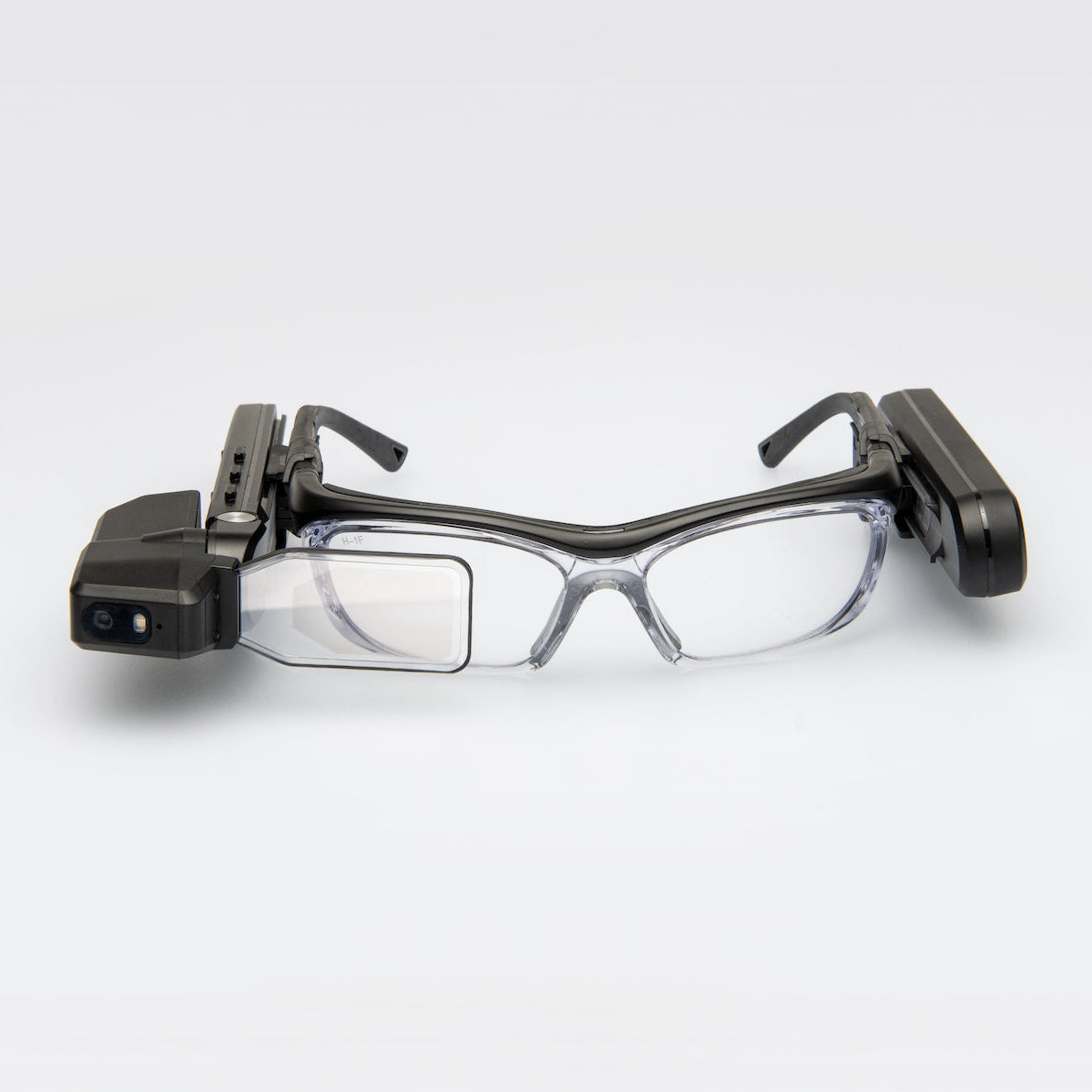
The rapid evolution of eyewear technology has brought us into an era where prescription glasses are no longer just for vision correction. Smart glasses, a significant part of the future of eyewear, integrate advanced digital capabilities directly into your corrective eyewear. This blending of vision support with cutting-edge electronics addresses a critical search intent: `how do smart prescription glasses work` and `are prescription smart glasses worth it`.
These sophisticated optical aids offer a new dimension to daily life, providing hands-free access to information and entertainment. They represent a significant leap in wearable tech for vision, transforming how we interact with the digital world.
Modern smart prescription glasses come equipped with a range of features designed to enhance daily activities and provide immersive experiences. They move beyond simple vision correction to offer a comprehensive digital interface.
Many models now include Augmented Reality (AR) and Virtual Reality (VR) display capabilities. Devices like the Viture Pro XR and Xreal Air 2 Pro project virtual screens directly into your field of view, creating immersive experiences for work, entertainment, or even gaming. This allows users to access a 135-inch virtual display without needing a physical screen, redefining `best prescription smart glasses for gaming`.
For content creators, some smart eyewear frames feature built-in cameras. The Ray-Ban Meta Wayfarer, for example, is equipped with a 12MP camera, capable of recording crisp 1440p video at 30 frames per second. This empowers users to capture moments hands-free, making it an ideal choice for documenting life on the go.
Beyond visual capture, smart glasses are increasingly integrating AI assistants and real-time translation. The Solos AirGo 3 showcases this, offering integration with ChatGPT for real-time translation across 25 languages. This feature is invaluable for travel, international business, or simply understanding new cultures.
Furthermore, high-quality audio systems are a standard inclusion. The Chamelo Music Shield boasts crystal clear open-ear speakers, providing an immersive audio experience without blocking ambient sounds. This makes them perfect for an active lifestyle, allowing users to stay connected while remaining aware of their surroundings. These advancements collectively demonstrate the growing utility of vision correction solutions enhanced with technology.
The market for smart prescription glasses is expanding rapidly, with several leading models offering distinct advantages tailored to different user needs. Understanding these unique selling points helps consumers make informed choices when exploring `where can i buy prescription glasses` with advanced features.
For immersive AR/VR experiences, the Viture Pro XR stands out. It offers an impressive 135-inch 120Hz full HD virtual display, making it the overall best choice for virtual environments. Crucially, it also features integrated myopia adjustment, allowing users to tailor the virtual display to their specific prescription needs.
Content creators often gravitate towards the Ray-Ban Meta Wayfarer. These are widely considered the best prescription smart glasses for content creators, thanks to their high-quality camera and seamless Meta AI integration. They blend iconic style with powerful recording capabilities, making on-the-go content creation effortless.
For everyday customizable use, the Solos AirGo 3 offers an excellent balance of features and practicality. With a long battery life of up to 10 hours, these smart spectacles are designed for all-day wear, providing consistent access to AI assistance and audio. They showcase the practical benefits of wearable tech for vision.
The Xreal Air 2 Pro excels as the best VR smart glasses offering a 130-inch spatial display. A key feature is their removable prescription lenses, which makes them incredibly versatile for users who already own corrective eyewear or prefer to switch lenses as needed. This flexibility addresses the search intent for `can you get prescription lenses for augmented reality glasses` directly. For a broad range of modern eyewear frames including smart options, consider exploring reputable online platforms that offer detailed product information and user reviews, making them among the best places to buy prescription glasses.
Beyond smart features, another revolutionary development in advanced lens technology is autofocus prescription glasses. These dynamic optical aids promise to fundamentally change how we experience visual clarity, moving beyond traditional fixed-focus lenses. This innovation directly addresses concerns like `what are autofocus prescription glasses` and `are autofocus glasses better than progressives`.
One of the leading innovators in this field is IXI, whose technology redefines vision correction solutions. Their autofocus eyewear utilizes a sophisticated, low-power sensor to meticulously track the wearer's eye movements. This sensor constantly determines the precise focal distance needed, whether it's for objects near, far, or in-between.
The magic happens with their liquid crystal lenses. These lenses possess the unique ability to adjust their focus dynamically. With an impressive approximate 0.2-second lag time, they can instantly shift clarity to match the detected focal distance. This means a seamless transition between viewing distances, eliminating the need for manual adjustment or head tilting often associated with traditional lenses. IXI's ambition is clear: to disrupt the estimated $200 billion eyewear technology industry by offering truly dynamic prescription lenses by 2025. This innovation could mark a significant milestone in eye health advancements.
The introduction of autofocus spectacles inevitably sparks a debate, particularly when compared to conventional progressive lenses. Many consumers ponder `are autofocus glasses better than progressives` when considering vision correction solutions.
Traditional progressive lenses, while offering multiple focal zones, are known for their limited usable zones and inherent distortions at the edges of the lens. Wearers often experience a "swim" effect or need to adjust their head position to find the clear sweet spot for different distances.
In contrast, autofocus prescription glasses promise a full, unrestricted field of vision across the entire lens. The dynamic adjustment means that clarity should be consistent, regardless of where the eye is looking or the distance of the object. This potential for a natural, effortless visual experience is a significant advantage.
However, challenges remain. Issues such as lens transparency, potential haziness, and ensuring full-day wearability are critical considerations. More importantly, these cutting-edge optical aids must meet stringent medical requirements for safety and efficacy before widespread adoption. As this technology matures, it will undoubtedly offer compelling benefits of multifocal lenses in a much more advanced form, potentially revolutionizing how individuals manage their vision needs.
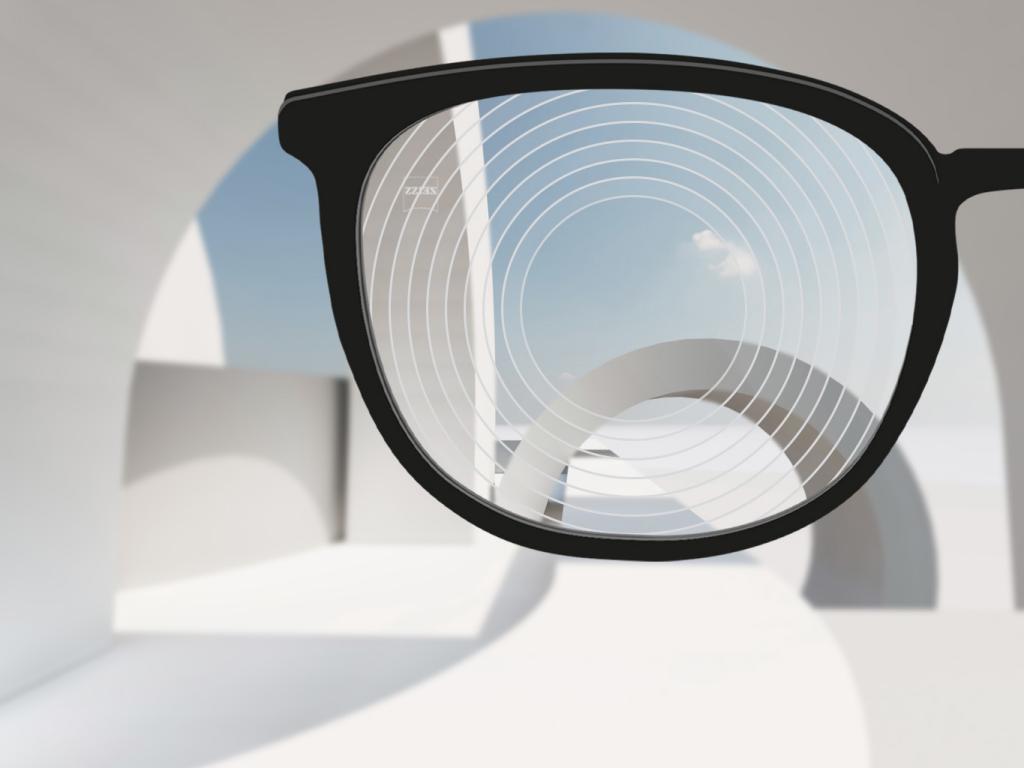
The journey into cutting-edge eyewear technology extends beyond just enhancing visual clarity; it delves deeply into preventative eye health advancements. As we explore the sophisticated world of prescription glasses and advanced optical solutions, a critical area of focus is myopia control, particularly for younger generations. Addressing the rising global rates of nearsightedness is paramount for long-term ocular well-being.
For individuals seeking effective vision correction solutions for myopia, both prescription glasses and contact lenses serve as primary options. However, when it comes to actively slowing down the progression of myopia, especially in children, specific types of contact lenses have shown significant promise, directly addressing the core intent behind `prescription glasses vs contact lenses myopia control`. These specialized optical aids offer more than just clear sight; they contribute to the long-term health of the eye.
Groundbreaking research has highlighted the efficacy of specific contact lens designs in managing myopia progression in children. A prominent example is the NIH-funded BLINK study (Bifocal Lenses In Nearsighted Kids), which provided compelling evidence. This study found that soft multifocal contact lenses effectively slowed the progression of myopia in children aged 7-11 years. This is a significant finding for parents and eye care professionals considering corrective eyewear options.
The study demonstrated that high-add lenses (+2.50 diopters) were the most effective in slowing axial eye growth, which is the primary anatomical cause of myopia progression. By managing this growth, these lenses help mitigate the worsening of nearsightedness. Furthermore, a lasting effect was observed: after discontinuation, the axial eye growth returned to age-expected rates in older teens, with no loss of the initial treatment benefit. This underscores the potential for these vision aids to offer a sustainable solution in pediatric eye care, marking a substantial step in eye health advancements.
Beyond specific contact lenses, the broader field of eyewear technology plays a crucial role in eye health advancements, especially concerning myopia. Myopia is fundamentally caused by an elongated eye growth, leading to light focusing in front of the retina. Effective myopia control, whether through specialized lenses or management strategies, aims to address this underlying issue.
By slowing down the progression of myopia, there's a significant potential to decrease the risks of vision-threatening complications later in life. These serious conditions can include retinal detachment, glaucoma, and myopic maculopathy, all of which are more prevalent in individuals with high myopia. Given the rising rates of myopia globally, often implicated with increased use of personal devices and the associated digital eye strain, proactive management through appropriate prescription glasses and other vision correction solutions becomes vital. Ensuring children receive the correct corrective eyewear can safeguard their long-term visual health.
Selecting the right pair of prescription glasses involves more than just getting the correct lens power; it's about finding comfortable eyewear frames and lenses that suit your lifestyle and aesthetic preferences. This consideration directly addresses the customer's search intent related to `how to choose prescription glasses online` and ensures all-day wearability. Your spectacles should feel like a natural extension of yourself.
The material of your eyewear frames is crucial for comfort, durability, and overall wearability. For comfortable eyewear frames that can be worn for extended periods, lightweight materials are key. Options like acetate offer a rich, varied aesthetic with good comfort. TR-90 is a highly flexible and lightweight plastic, ideal for active individuals due to its resilience. Titanium stands out as an exceptionally light, strong, and hypoallergenic metal, making it a premium choice for those seeking superior comfort and longevity in their corrective eyewear.
For active lifestyles, where durability is paramount, options like carbon fiber provide incredible strength and lightness, while flexible nylon offers shatter-resistance and adaptability. Many modern eyeglass frames also incorporate enhanced comfort features such as adjustable nose pads and flexible arms. These features allow for a customized fit, preventing pressure points and ensuring your prescription glasses remain secure and comfortable throughout the day. When exploring non prescription glasses or standard prescription optical aids, always consider how these material choices contribute to lasting comfort. For a wide range of frame options that prioritize comfort and style, explore collections that offer diverse materials: non prescription glasses.
Today, eyewear transcends its primary function of vision correction solutions to become a significant aspect of personal expression and high fashion. The market offers a vast array of styles, from bold statement designs that capture attention to timeless classics that exude sophistication. This diversity ensures that your prescription glasses can seamlessly integrate with your unique personal style, as supported by The Vision Council's 2024 report, which indicated that 68% of prescription glasses wearers consider their eyeglasses part of their personal style.
When making your selection, consider not only the frame's aesthetics but also its compatibility with advanced lens technology. Features like anti-reflective coating glasses can reduce glare and improve clarity, enhancing both comfort and visual performance. Similarly, the design of the frame can impact peripheral vision correction, ensuring a wide and unobstructed field of view. Choosing a frame that complements your facial features and lifestyle ensures your spectacles are both practically effective and aesthetically pleasing. For those seeking prescription glasses that perfectly blend high fashion with durable, lightweight materials, offering both a statement and unparalleled comfort, consider options like the FONEX Titanium Glasses Frame Women Brand Design Oversize Square Eyewear 2023 Prescription Optical Myopia Eyeglasses 8561 black, which epitomizes contemporary design and exceptional build quality for the discerning wearer.
.png)
As we transition from selecting the perfect comfortable eyewear frames to embracing the next frontier of vision correction solutions, the discussion naturally turns to smart prescription glasses. These innovative optical aids represent a significant leap in how we interact with the world through our eyewear. However, with advanced capabilities come practical considerations that users must understand before adopting these cutting-edge devices.
Adopting smart prescription glasses brings exciting new functionalities, but it also introduces new responsibilities and considerations. Understanding these aspects is crucial for a positive and secure user experience with your advanced lens technology. This section addresses key concerns for anyone contemplating integrating `how do smart prescription glasses work` into their daily lives.
One of the foremost considerations for smart prescription glasses, especially those equipped with cameras or microphones, is the potential for privacy concerns. These devices have the capability to record audio or video, raising questions about inadvertently recording individuals without their consent. To mitigate this, most manufacturers include visible indicators, such as small LED lights, that illuminate when the recording function is active, providing a clear signal to those around you.
Beyond recording, there's a significant risk of personal data collection by manufacturers. This data might include usage patterns, location information, or even biometric data, depending on the wearable tech for vision features. Furthermore, like any connected device, smart glasses can be vulnerable to cybercriminals if not properly secured, potentially leading to unauthorized access to personal information. It is paramount for users to proactively review privacy settings, disable unnecessary app permissions, and thoroughly understand local laws regarding recording in public or private spaces. Responsible use of smart eyewear is key to safeguarding both your privacy and that of others.
The practical aspects of durability and warranty are crucial when investing in smart prescription glasses. Most smart eyewear models, particularly those designed for daily wear, are built with a focus on resilience. They often incorporate features like UV protection for eye safety and varying degrees of water resistance, making them suitable for everyday activities. However, it's important to differentiate this from being fully waterproof.
When it comes to warranties, typical coverage extends to manufacturing defects, usually for a period of 1-2 years. It’s vital to understand that these warranties generally do not cover normal wear and tear or accidental damage, which is a common oversight for new users. As with traditional prescription glasses, comfort, fit, and design remain paramount. Manufacturers now offer a range of options, including customizable orders for different facial structures and even snap-on lenses that allow users to integrate their specific prescription glasses with smart frames. Prioritizing a comfortable, secure fit ensures your smart spectacles can be worn for extended periods without discomfort, making them a true extension of your daily life. For those exploring the vast array of fashion prescription glasses that blend cutting-edge features with traditional comfort, it's worth exploring diverse collections to find your perfect fit: fashion prescription glasses.
The trajectory of eyewear technology is constantly accelerating, pushing the boundaries of what prescription glasses can do. We are witnessing a rapid evolution that integrates advanced computing with personalized vision aids, redefining the `future of eyewear`. This forward-looking perspective explores the exciting intersections of AI, AR, and VR, and anticipates the next major breakthroughs that will shape how we see and interact with the world.
The convergence of artificial intelligence (AI), augmented reality (AR), and virtual reality (VR) is fundamentally transforming prescription glasses into versatile wearable tech for vision. AR/VR-enabled glasses are no longer just concepts; they offer immersive experiences for gaming, allowing players to step into digital worlds, and provide enhanced movie watching with virtual large screens. They also facilitate multitasking on the go, overlaying digital information onto real-world views, which can be invaluable for navigation or productivity.
Beyond visual overlays, AI assistants embedded in smart spectacles provide hands-free commands for a multitude of tasks. Users can manage calls, receive real-time translations, or organize personal schedules simply by speaking, eliminating the need to constantly check a smartphone. Moreover, the rise of audio-focused smart glasses caters specifically to active users. These devices prioritize high-quality sound for music and calls without visual distractions, perfect for jogging or cycling, embodying a practical side of wearable tech for vision that goes beyond conventional corrective eyewear. These developments showcase how prescription glasses are becoming sophisticated hubs for information and interaction.
The `future of eyewear` is poised for revolutionary advancements, building upon the foundations of current advanced lens technology. Many experts predict a "natural evolution" from static to dynamic lenses, a concept best exemplified by autofocus technology. Imagine prescription glasses that can instantly adjust their focus to accommodate varying distances, eliminating the need for progressive lenses or manual adjustments. This truly addresses the core intent of `what are autofocus prescription glasses` by offering seamless clarity across all visual ranges.
There will be a continued and intensified focus on eye health advancements, moving beyond simple correction to actively solving the "actual vision problem." This includes more widespread and effective myopia control solutions for all ages and innovative ways to manage conditions like digital eye strain glasses caused by prolonged screen use. As wearable tech for vision continues to mature, it will merge practicality with increasingly sophisticated features, creating smart spectacles that are not only indispensable for clear sight but also powerful tools for daily life, shaping the very definition of prescription glasses for generations to come. For those who value the perfect blend of timeless elegance and modern durability in their everyday fashion prescription glasses, designed to offer both a refined aesthetic and superior comfort, consider the FONEX Titanium Glasses Frame Women Brand Design Oversize Square Eyewear 2023 Prescription Optical Myopia Eyeglasses 8561 black. This product is a testament to sophisticated design and exceptional build quality, ensuring discerning wearers experience unparalleled style and comfort.
In summary, the landscape of prescription glasses has been revolutionized, moving far beyond simple vision correction solutions to embrace advanced lens technology and wearable tech for vision. From the precision of digital lens surfacing and the protective qualities of anti-reflective coating glasses to the groundbreaking potential of autofocus glasses and the sophisticated capabilities of smart prescription glasses, modern eyewear offers unprecedented clarity, comfort, and connectivity. Online platforms have simplified the selection process, providing accessible and affordable options for high-quality corrective eyewear. Furthermore, significant eye health advancements, particularly in myopia control solutions for youth, underscore the preventative role of specialized lenses. Choosing the right pair of comfortable eyewear frames involves considering both material (like titanium or TR-90) and aesthetic preferences, ensuring your spectacles not only correct vision but also enhance personal style and provide all-day wearability. As eyewear technology continues to evolve, integrating AI, AR, and VR, the future promises even more dynamic and personalized optical aids. Whether you're seeking standard prescription glasses or versatile prescription glasses and sunglasses for different needs, the advancements discussed offer a glimpse into a future where vision care is more integrated, intelligent, and tailored than ever before. Explore these innovations to find the perfect eyewear that blends function, fashion, and cutting-edge technology for optimal visual well-being.