 】
】Struggling with blurry vision or tired eyes? Clear sight isn't just a convenience; it's a vital component of your overall health and daily functionality. Finding the right prescription glasses can profoundly enhance your quality of life, offering both optical clarity and stylish expression. Explore premium options like the sophisticated prescription glasses from Thom Brand, which blend vintage charm with modern precision for a refined look. Moreover, achieving optimal vision doesn't have to be expensive; you can easily find a vast selection of affordable prescription glasses online, ensuring quality eyewear is accessible to everyone.
】Maintaining optimal vision is about much more than simply seeing clearly; it's a critical component of overall well-being. Regular eye examinations and appropriate corrective lenses, such as prescription glasses, play an indispensable role in safeguarding not just our sight, but our general health. This proactive approach helps in the early detection of underlying medical conditions and prevents irreversible vision impairment, significantly enhancing the quality of life for individuals across all age groups.
Many people assume an eye exam is solely for determining if they need prescription glasses or an updated prescription. However, these comprehensive evaluations are a powerful diagnostic tool, offering a unique window into your body's systemic health. They go far beyond assessing visual acuity, checking for numerous conditions that might otherwise go unnoticed until they become more severe.
The intricate network of blood vessels and nerves in the eyes can reveal crucial indicators of systemic diseases. As Dr. Almas Khan, an optometrist at UHI CommunityCare Clinic, wisely states, "The eyes are a mirror to the inside of your body." During a routine examination, an optometrist can detect early signs of serious conditions like diabetes, where changes in retinal blood vessels can indicate the disease before other symptoms appear.
Similarly, indicators of high blood pressure, heart disease, and even certain types of cancer can manifest in the eyes. For instance, tiny hemorrhages or abnormal vessel growth can signal hypertension or other cardiovascular issues. Early detection of these eye health conditions affecting vision through a thorough eye exam allows for timely medical intervention, potentially saving lives and preventing more severe health complications down the line. Regular check-ups for your eyewear needs can therefore be a life-saving habit.
Beyond systemic diseases, eye exams are crucial for identifying and treating direct threats to vision. Glaucoma, for example, is a leading cause of irreversible blindness, quietly damaging the optic nerve without initial noticeable symptoms. Data from leading ophthalmological bodies indicates that early detection and treatment can prevent or significantly delay permanent vision loss caused by this progressive disease.
Addressing conditions like cataracts, macular degeneration, and diabetic retinopathy early can preserve functional vision and improve daily life. If you notice any signs you need new prescription glasses, such as blurred vision, headaches, or difficulty seeing at night, it's vital to seek a professional eye examination. These symptoms might not just mean a change in your corrective lenses is needed; they could also be early warnings of more serious underlying eye health conditions affecting vision. Wearing properly prescribed eyeglasses is foundational to maintaining clear sight and a high quality of life.
The escalating prevalence of visual impairment represents a significant public health challenge in 2025, affecting millions globally. This trend has profound societal implications, from increased healthcare burdens to decreased productivity and independence. Understanding the scope of this issue is vital for developing effective interventions and ensuring equitable access to prescription glasses and eye care.
Projections by the National Eye Institute indicate a concerning future: the number of people with visual impairment or blindness in the U.S. is expected to double to over 8 million by 2050. This surge is largely attributed to an aging population, as age-related eye conditions such as macular degeneration, cataracts, and glaucoma become more prevalent. Ensuring accessible eye care and affordable prescription glasses is paramount to mitigate this looming crisis.
For many, the first step to addressing vision changes is understanding how to get a new prescription for glasses. This typically involves a comprehensive eye exam with an optometrist or ophthalmologist. Prompt action based on these new eyewear prescriptions can significantly slow the progression of vision loss and maintain visual acuity. Access to up-to-date corrective lenses is a cornerstone of preventing this projected increase in impairment.
Access to quality eye care and affordable prescription glasses is not uniform across all communities. Socioeconomic factors play a critical role in determining eye health outcomes, creating significant disparities. A compelling case study from Miami-Dade County, as cited by Dr. Zubair Ansari of Bascom Palmer Eye Institute, revealed that the prevalence of cataracts was two to three times higher in patients from lower socioeconomic areas. This highlights significant access barriers to crucial preventative and corrective eye care.
These disparities often stem from a lack of vision insurance benefits for glasses, limited access to eye care professionals, and the high cost of eyeglasses themselves. For individuals searching for where to get cheap prescription glasses, online retailers and community programs offer viable alternatives. For instance, exploring options like those found at zenni prescription glasses can provide affordable and accessible eyewear solutions, directly addressing the challenge of access barriers in underserved communities and ensuring more people can obtain the corrective lenses they need without financial strain.
Investing in eye health is an investment in overall public health and individual flourishing. From early disease detection to preventing irreversible vision loss and addressing socioeconomic disparities, comprehensive eye care and accessible prescription glasses are fundamental to a healthy society.
Discover your next pair of stylish and affordable prescription glasses to match your visual needs and personal aesthetic. Explore premium options like the zenni prescription glasses, which offers a blend of vintage charm and modern functionality, ensuring both clear vision and a refined look.
 】
】Once you have your up-to-date prescription, the journey continues to selecting the right prescription glasses and lenses. This involves understanding the various materials available, the benefits of specialized coatings, and how to choose frames that align with your lifestyle and facial features. Making informed choices ensures your corrective lenses not only provide optimal vision but also offer comfort, durability, and style.
The performance and feel of your prescription glasses largely depend on the lens materials and coatings. Each option brings distinct advantages in terms of clarity, weight, and protection.
Selecting the right lens material is crucial for both vision clarity and the longevity of your eyewear. When considering types of eyeglass lenses materials, several options stand out, each with unique properties. For those seeking absolute visual purity, traditional glass lenses remain the gold standard, offering unmatched optical clarity. However, they are heavier and more prone to breakage compared to modern alternatives.
Most individuals today prefer polycarbonate lenses due to their exceptional impact resistance and lighter weight, making them ideal for active lifestyles and children's prescription glasses. For strong prescriptions, high-index lenses are indispensable. These lenses are designed to be significantly thinner and lighter than standard lenses, even with substantial corrective power, providing crucial benefits of high-index lenses like reduced bulk and an aesthetically pleasing profile. Trivex lenses offer a premium blend of lightness, superior clarity, and remarkable impact resistance, often at a slightly higher cost, positioning them as a top-tier choice for discerning eyewear users.
Beyond the material, various coatings can significantly enhance the functionality and comfort of your prescription glasses. An anti-glare coating benefits for lenses by dramatically decreasing reflections from light sources, which is particularly useful for extended computer use, night driving, or video calls. This reduction in glare mitigates eye strain and improves visual comfort.
Furthermore, integrated UV protection is a non-negotiable feature for long-term eye health, shielding your eyes from harmful ultraviolet rays that can contribute to cataracts and macular degeneration over time. While the primary focus here is on prescription glasses, many people also seek out specialized coatings for non prescription glasses to gain similar comfort and protective benefits, especially for screen use. These advanced coatings ensure your corrective lenses are not just about seeing clearly, but about comprehensive eye care.
The frame you choose is more than just a holder for your lenses; it's a statement of personal style and a key factor in the comfort of your prescription glasses. Options range from classic designs to specialized technological advancements.
Finding the perfect frame for your prescription glasses involves harmonizing style with practicality. When choosing the right frames for your face shape, consider how different shapes—round, square, oval, or heart-shaped—complement your features. Oval faces, for instance, are versatile and can wear most frame styles, while square faces often benefit from round or oval frames to soften sharp angles. Your lifestyle also dictates frame durability and material; an active individual might prioritize sturdy, lightweight options, while a professional might opt for sleek, classic designs.
Many online optical services, such as Warby Parker, have revolutionized this process by offering virtual try-on features. These digital tools allow you to upload a photo or use your webcam to virtually "wear" different frames, helping you visualize how they look before committing. This innovative approach makes selecting your next pair of eyewear a convenient and personalized experience, ensuring your corrective lenses are housed in frames you love. For a broader range of styles, including fashionable non prescription glasses that reflect current trends, exploring online collections can provide endless inspiration.
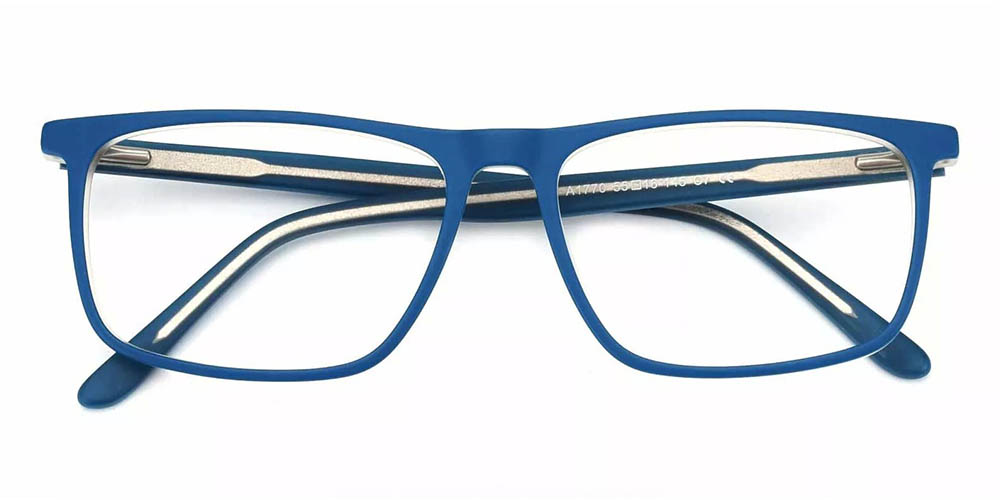
The world of prescription glasses is continually expanding, offering specialized solutions for various needs. Prescription sunglasses options are vital for anyone who spends time outdoors, providing both essential UV protection and crystal-clear vision correction in one stylish package. They eliminate the need to switch between regular eyeglasses and non-prescription shades, offering seamless visual comfort.
Beyond traditional eyewear, innovation has brought forth exciting new categories. Several leading eyewear retailers, including Lensabl and LensDirect, now provide custom prescription lenses for popular audio glasses like Amazon Echo Frames and Bose Frames. These groundbreaking devices merge advanced audio technology with vision correction, allowing you to listen to music, take calls, and access voice assistants while enjoying perfectly clear sight. This fusion of smart technology and functional eyewear represents the future of personal vision care, seamlessly integrating your visual needs with your digital lifestyle.
 】
】Understanding the financial aspect of maintaining good vision is crucial for many individuals. The cost of prescription glasses and associated eye care services can vary significantly, often leading people to seek affordable options and clear pricing information. This section deconstructs the expenses involved and highlights various avenues for making `eyecare` more accessible.
Navigating the expenses associated with obtaining prescription glasses requires a clear understanding of typical costs and smart shopping strategies. For many, the question of "how much do prescription glasses cost" is a primary concern.
In 2025, the cost of a standard eye exam without insurance can range from approximately $50 to $200, depending on your location and the specific services included. Beyond the exam, the expense for new prescription eyeglasses, including both frames and lenses, can easily ascend into hundreds of dollars. For instance, individuals like Jose Villatoro, an uninsured construction worker, previously faced challenges when spending $400 on two pairs of `corrective lenses`, later finding himself unable to afford a necessary new pair. These figures underscore the financial barrier `optical wear` can present, especially for those without adequate health or vision insurance.
To mitigate the financial burden, several strategies can help you find where to get cheap prescription glasses. Organizations like AARP, for example, offer significant discounts on `eyeglasses` and `eye care services` for their members, with an annual fee (e.g., $15/year with auto-renewal) that often pays for itself multiple times over through savings. When exploring options, whether in-store or online, always check for first-time buyer discounts or promotional codes. Many reputable online optical retailers frequently offer these incentives, allowing consumers to make significant savings. To explore a wide range of affordable and stylish `vision aids`, you can visit comprehensive online collections that cater to diverse preferences and budgets, helping you find where to get prescription glasses without breaking the bank.
Beyond personal budgeting and discounts, numerous programs exist to ensure that quality `vision care` and prescription glasses are accessible to everyone, regardless of their financial situation.
For those struggling with the cost, free eye exams and glasses programs provide a crucial lifeline. A notable example is the UHI CommunityCare Clinic in Opa-locka, Florida, which offers free comprehensive eye exams and `prescription glasses` to uninsured patients whose household incomes fall below 300% of the federal poverty line. Such community initiatives are vital in addressing `vision health` disparities. Furthermore, large-scale programs like VSP Vision Eyes of Hope have made a significant impact, partnering with eye doctors and nonprofits for nearly 20 years to help over 4 million people access `free eye care` and `eyewear`, demonstrating the power of collective effort in supporting `optical health`.
For many, maximizing vision insurance benefits for glasses is key to managing costs. It is essential to thoroughly understand your policy's coverage, including annual allowances, co-pays, and in-network providers, to avoid unexpected out-of-pocket expenses. Seniors, in particular, need to carefully navigate `Medicare options` and supplemental plans, often requiring expert guidance to ensure they are fully utilizing `seniors eye care options` for `prescription glasses` and comprehensive `eye care`. Understanding these financial planning aspects is vital in how to save money on vision care and ensuring continued access to necessary `corrective lenses`. For those seeking a blend of classic style and quality without compromising their budget, consider the refined aesthetics of the Thom Brand Retro Round Glasses Frame. These prescription eyeglasses offer a sophisticated look with durable construction, providing excellent value for your `vision correction` needs. You can explore this option and similar high-quality `spectacles` by visiting where to get prescription glasses that combine elegance with practicality.
 】
】After exploring the financial landscape of prescription glasses and various avenues for affordability, many individuals turn their attention to *where* and *how* to acquire their next pair of `corrective lenses`. The choice between purchasing `eyewear` online versus in-store has become a significant decision for consumers in 2025, each option presenting distinct advantages regarding convenience, cost, and service. This section delves into the evolving optical market, focusing on the burgeoning online sector and specialized services for `lens replacement`.
The digital age has revolutionized how we shop for many products, and `vision care` is no exception. Online optical retailers have surged in popularity, offering a compelling alternative to traditional brick-and-mortar stores, especially for those seeking efficiency and better prices. This shift addresses the search intent for both prescription glasses online vs in-store and best places to buy replacement prescription lenses.
One of the most appealing aspects of buying `spectacles` online is the sheer convenience and often, the significant cost savings. David Carnoy of CNET, a respected voice in consumer technology, highlights that replacing `eyeglass lenses` online can be "cheap, easy and fast." This expert opinion underscores the practical benefits, making it an attractive option for busy individuals or those looking to reduce expenses on their `vision aids`. Many online platforms excel in providing `replacement lenses for glasses`, allowing you to keep your favorite frames while updating your prescription.
Innovative services are also transforming the traditional process of obtaining new `prescriptions`. Platforms like Lensabl, for instance, now allow qualifying customers to renew their eyeglass prescription online for a nominal fee of $25. This service simplifies how to get a new prescription for glasses by requiring only a computer and a smartphone, removing the need for a physical visit to an optometrist for a basic renewal. This not only saves time but also often reduces the overall cost of `vision correction`.
While the convenience of purchasing prescription glasses or `replacement lenses` online is undeniable, success hinges on careful attention to detail. For any online purchase of prescription eyeglasses, it is absolutely essential to know your current and accurate prescription details. This includes your sphere (SPH), cylinder (CYL), axis, and add (if applicable). Equally crucial is your pupillary distance for online glasses (PD), which is the measurement between the centers of your pupils. Your optometrist can provide this vital information after your `eye exam`. Without an accurate PD, your `online glasses` may not be correctly centered, leading to discomfort or distorted vision. To ensure your `new prescription glasses` provide optimal clarity, always confirm these details before finalizing your order.
Consumer protection is another paramount consideration when navigating the online `optical market`. Always read the return policy carefully before purchasing `replacement lenses` or full prescription glasses. Some sites, like Lensabl, may have a "final sale" policy on certain `lens types` but typically offer a 30-day remake if the lenses are incorrectly made or if there's a manufacturing defect. Reputable online retailers will clearly outline their guarantees and customer service options, providing peace of mind for your `vision correction` investment. When exploring `quality eyewear` and `vision solutions` online, you can browse a diverse collection designed for optimal clarity and style, making it easier to find `your perfect pair` of prescription glasses for men.
For those specifically seeking to update their `lenses` while retaining their beloved frames, the online market offers several excellent providers specializing in `replacement prescription lenses`. These platforms address the core search intent of best places to buy replacement prescription lenses, offering specialized services that cater to various needs and budgets.
 】
】As screen time continues to dominate our daily lives in 2025, from work to leisure, a growing concern revolves around the potential impact of blue light on our eyes and overall well-being. Many individuals ponder whether investing in blue-light-blocking glasses for their prescription eyeglasses is truly beneficial or merely a marketing trend. This section aims to cut through the noise, separating scientific fact from common misconceptions, and providing practical advice on managing digital exposure to protect your `vision`. Understanding the true effects of blue light is crucial for anyone considering `corrective lenses` or specific `eyewear` designed to mitigate screen-related discomfort.
The conversation around blue light often conflates two distinct issues: its impact on eye strain and its influence on sleep. While it's easy to assume that all discomfort stems from blue light, expert consensus points to a more nuanced reality regarding digital eye strain and the role of `blue light`. Consumers are actively seeking clarity on whether `blue light glasses` genuinely address their discomfort or if other factors are at play.
Contrary to popular belief, the primary culprit behind tired, aching eyes after prolonged computer use is not exclusively blue light. Digital eye strain, often referred to as computer vision syndrome, is more frequently a result of how we interact with screens rather than the specific light spectrum emitted. Dr. Rahul Khurana, an ophthalmologist and clinical spokesperson for the American Academy of Ophthalmology, emphatically states, "It’s not the blue light that’s making your eyes feel bad after a day of staring at the computer. It’s staring at a screen for hours without breaks." This expert opinion highlights that the issue lies in reduced blink rates, improper viewing distances, and sustained visual focus, which lead to dry eyes, fatigue, and headaches.
To combat `digital eye strain` effectively, the American Academy of Ophthalmology strongly recommends adhering to the 20-20-20 rule. This actionable advice suggests that for every 20 minutes spent looking at a screen, you should look at something 20 feet away for 20 seconds. This simple practice allows your eye muscles to relax and refocus, significantly alleviating symptoms of `eye strain` and promoting better `eye health`. For those who rely on prescription glasses for their daily tasks, implementing this rule is a straightforward way to enhance comfort.
While blue light may not be the direct cause of `digital eye strain`, its influence on our sleep cycles is scientifically well-documented and far more significant. Exposure to blue light, particularly from electronic devices, can disrupt the body's natural production of melatonin, the hormone responsible for regulating sleep. Dr. Cathy Goldstein, an associate professor of neurology at the University of Michigan, confirms this, stating that blue light exposure before bed "pushes our internal clocks later, so that it’s harder to fall asleep and harder to wake up in the morning." This disruption to our circadian rhythm can lead to restless nights and daytime fatigue, underscoring the importance of mindful screen use in the evenings.
The mechanism is clear: blue light signals to the brain that it's daytime, suppressing melatonin production. Consequently, if you are regularly using tablets, smartphones, or computers in the hours leading up to bedtime, your body's natural preparation for sleep is hampered. For individuals experiencing difficulties with sleep, managing evening screen exposure, regardless of whether they wear prescription glasses or not, becomes a critical component of `vision health` and overall well-being. Understanding this distinction helps in making informed decisions about `vision solutions` and `eyewear`.
Given the scientific distinction between digital eye strain and sleep disruption, it becomes clear that blue-light-blocking glasses have a specific, rather than universal, application. Their efficacy is most pronounced when aligning their use with their proven scientific benefits, primarily concerning `sleep regulation` and `circadian rhythm` support. For many seeking to manage the effects of prolonged screen use, choosing the right types of eyeglass lenses materials and coatings is crucial.
When considering `blue-light-blocking glasses` for your `corrective lenses`, their most tangible benefit emerges when strategically used in the evening. While they may not be a magic bullet for daily `digital eye strain` caused by screen fatigue, they can play a supportive role a few hours before bed if screen time is unavoidable. This strategic use helps to mitigate the negative impact of blue light on `melatonin production`, thereby assisting in regulating your **sleep patterns**. Incorporating these `spectacles` into your evening routine can send a clearer signal to your brain that it's time to wind down.
The efficacy of `blue-light-blocking glasses` is directly related to their lens properties. Glasses with darker tints, specifically orange or yellow, are generally more effective at blocking the specific blue light wavelengths between 400 and 500 nm that primarily interfere with sleep. These specialized `lens types` are designed to filter out the most disruptive light, offering a more robust solution than lightly tinted or clear `lenses` for nighttime use. When selecting your prescription glasses, discuss these `anti-glare coating benefits for lenses` and tint options with your optical provider to ensure you get the most appropriate `vision aids`.
The market for `blue-light-blocking glasses` has diversified significantly, offering a wide **variety of solutions** to cater to different needs, preferences, and age groups. For those who already wear prescription glasses, many optical retailers like Warby Parker now offer customizable **prescription options** where blue-light-filtering technology can be integrated directly into your `corrective lenses`. This provides a seamless solution, eliminating the need for an additional pair of `eyewear`.
Beyond `prescription eyeglasses`, there are numerous other options available. These include non-prescription `reading glasses` with blue light filters, convenient `clip-ons` that can be attached to existing frames, and `fit-over styles` designed to be worn over regular prescription glasses. Specialized designs are also available for children, such as Felix Gray Nash Kids Sleep Glasses, acknowledging the increasing screen exposure among younger generations and the importance of `children's eye exams and glasses`. These diverse offerings ensure that almost anyone can find a suitable option to help manage their blue light exposure and improve their `vision health`. To explore a wide array of `quality eyewear` and find `your perfect pair` of `corrective lenses` that include options for blue light filtering, you can browse a comprehensive collection online for where to buy prescription glasses.
Navigating the world of vision care, from routine eye exams to selecting the perfect pair of prescription glasses, is fundamental for maintaining overall well-being. This guide has illuminated the indispensable role of comprehensive eye health in detecting systemic diseases and preventing irreversible vision loss, emphasizing that proper corrective lenses are more than just vision aids—they are preventative health tools. We've explored the diverse array of types of eyeglass lenses materials, from durable polycarbonate to thin high-index options, and highlighted the importance of specialized coatings like anti-glare coating benefits for lenses for enhanced comfort and protection. Furthermore, we delved into the evolving landscape of acquiring eyewear, contrasting the benefits of prescription glasses online vs in-store purchases and offering insights into best places to buy replacement prescription lenses.
Addressing the critical concern of how much do prescription glasses cost, we've provided strategies for leveraging memberships and discounts, alongside an overview of free eye exams and glasses programs designed to ensure vision care is accessible to all. Understanding vision insurance benefits for glasses and various seniors eye care options is key to managing costs effectively. By making informed decisions, whether it's understanding your pupillary distance for online glasses or recognizing signs you need new prescription glasses, you empower yourself to achieve and maintain clear sight. For those seeking excellent value without compromising on quality or style, exploring affordable prescription glasses online remains an outstanding option, ensuring that superior vision care and fashionable eyewear are within everyone's reach. Prioritize your eye health and embrace the clarity you deserve.